
Introduction
After surgery, many people wonder how to heal faster and avoid problems. Early physiotherapy after surgery is a key step in post-surgical rehabilitation. It means starting gentle movement and exercises soon after your operation. This approach helps your body recover and can prevent many common issues. In this blog, we will explain why early physiotherapy matters and how it can help you get back on your feet.
What Is Early Physiotherapy After Surgery?
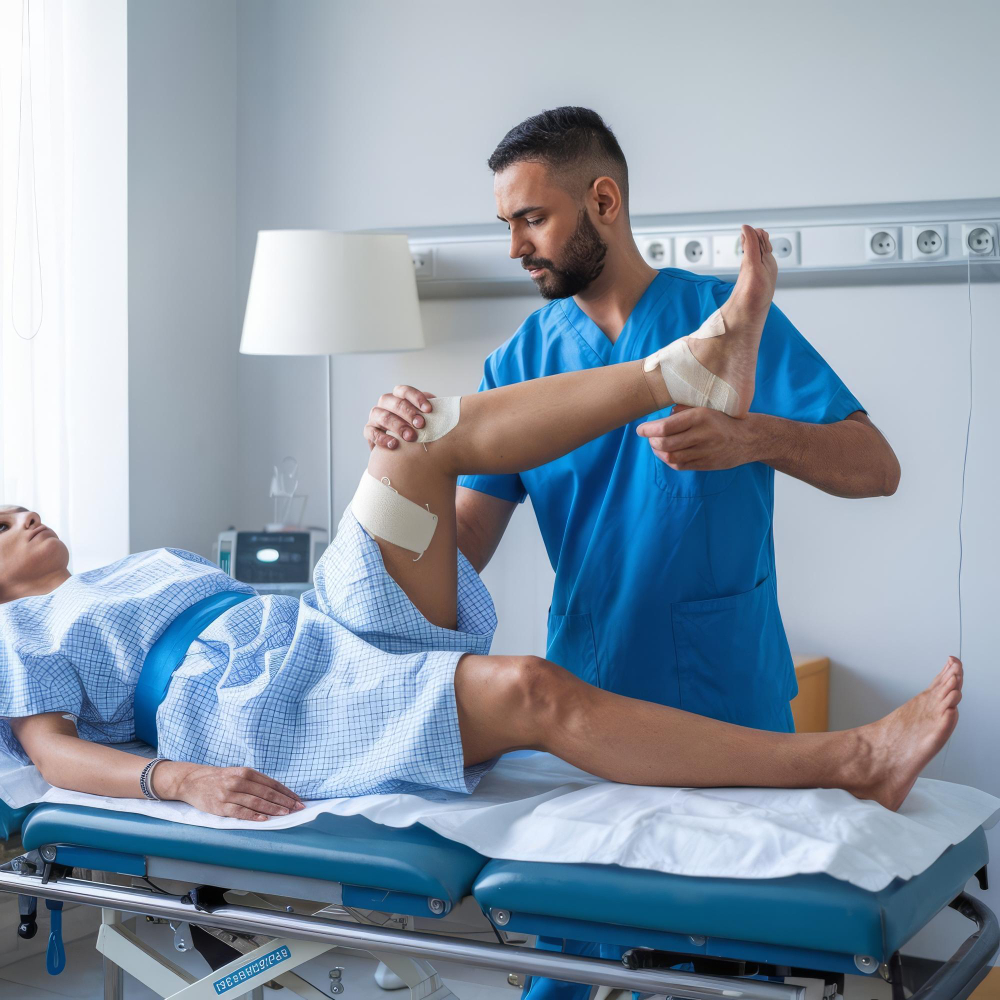
Early physiotherapy after surgery means starting physical therapy soon after your operation. Usually, this begins within a day or two, depending on your doctor’s advice. The goal is to help you move safely and regain strength. For example, you may start with simple breathing exercises or gentle movements. Your physiotherapist will guide you through each step. This early start is important for a smooth and safe recovery.
Benefits of Starting Physiotherapy Early Post-Surgery
Starting physiotherapy early offers many benefits. First, it can speed up your recovery. Also, it helps reduce pain and swelling. Early movement lowers the risk of blood clots and chest infections. In addition, it can help you regain strength and balance faster. Here are some key benefits:
According to the World Health Organization (WHO), early rehabilitation supports better long-term outcomes for surgical patients.
Common Types of Surgeries That Benefit from Early Physiotherapy
Many surgeries need early physiotherapy for the best results. For instance, joint replacements, like knee or hip surgery, often require quick movement. Heart surgery patients also benefit from early breathing and walking exercises. Other surgeries that may need early physiotherapy include:
Even after minor procedures, your doctor may suggest early movement to help you heal.
Typical Physiotherapy Interventions Used After Surgery
Physiotherapists use many safe and simple methods to help you recover. For example, they may teach you breathing exercises to keep your lungs healthy. Gentle stretches and movements help prevent stiffness. In some cases, you may use walking aids, like crutches or a walker. Other common interventions include:
Your physiotherapist will create a plan that fits your surgery and needs.
How Early Physiotherapy Aids Recovery and Prevents Complications
Early physiotherapy helps your body heal in many ways. First, it keeps your muscles and joints from getting stiff. Also, moving early helps your blood flow, which lowers the risk of blood clots. For example, deep breathing exercises can prevent lung infections. In addition, early movement can reduce swelling and pain. As a result, you may return to your normal life sooner. Studies in medical journals show that early physiotherapy leads to better outcomes for surgical patients.
Tips for Patients: What to Expect and How to Prepare
It is normal to feel nervous about starting physiotherapy after surgery. However, knowing what to expect can help. Here are some tips:
Remember, every person heals at their own pace. Your care team will support you throughout your recovery.
Safety Considerations and When to Consult Your Healthcare Provider
Safety is always important after surgery. Always follow your doctor’s advice about when to start moving. If you feel severe pain, swelling, or shortness of breath, tell your healthcare provider right away. In addition, do not try exercises on your own unless your physiotherapist has shown you how. Early physiotherapy is safe when guided by trained professionals. However, every surgery is different, so your plan may change based on your needs.
Conclusion
Early physiotherapy after surgery can help you heal faster and avoid problems. It supports better movement, less pain, and a quicker return to daily life. If you have surgery planned, talk to your doctor or a physiotherapist at Nexen Health Care about the best plan for you. For safe and effective recovery, always seek advice from your healthcare provider.