
Introduction
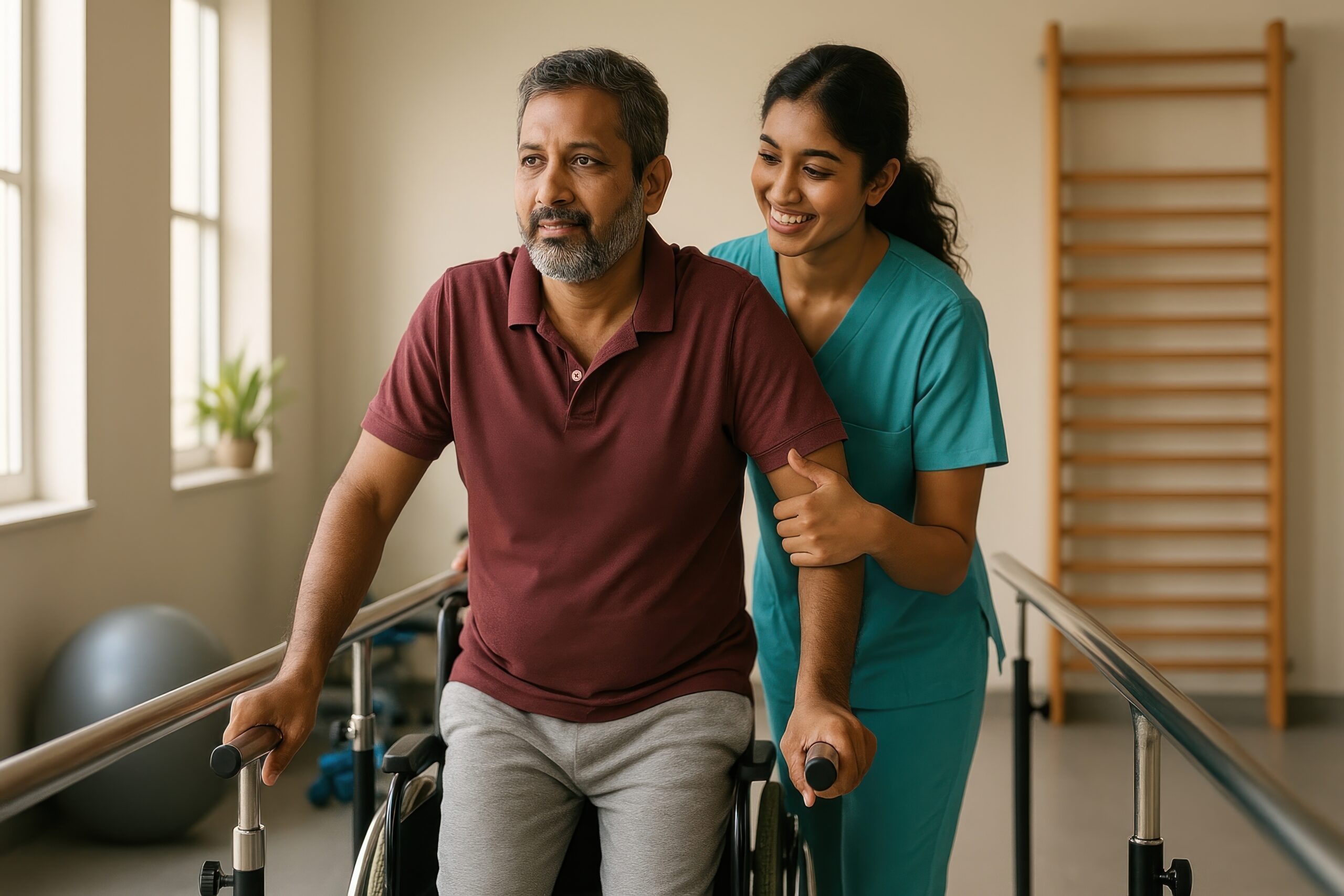
Parkinson’s disease is a condition that affects the brain and movement. It can make walking, balance, and daily tasks harder over time. However, Parkinson’s Rehab can help people stay active and independent. Rehab uses special exercises and training to improve movement and quality of life. With the right support, many people with Parkinson’s disease can manage their symptoms better. In this blog, we will explain the rehab timeline, mobility training, and exercises for long-term independence.
Understanding Parkinson’s Disease and Its Impact on Mobility
First, it is important to know how Parkinson’s disease affects the body. This condition causes the brain to make less dopamine, a chemical that helps control movement. As a result, people may notice shaking, slow movement, stiff muscles, or trouble with balance. Over time, these symptoms can make walking and daily activities more difficult. But with early rehab, many people can keep moving well for longer. According to the World Health Organization, regular exercise can slow down the loss of mobility in Parkinson’s disease.
Rehabilitation Timeline: What to Expect
Parkinson’s Rehab is not the same for everyone. Still, most people follow a similar timeline. Early rehab can start soon after diagnosis. At this stage, the focus is on learning safe movement and simple exercises. As the disease changes, rehab plans may change too. For example, some people need more help with balance or walking later on. Usually, the rehab timeline for Parkinson’s includes:
Because everyone is different, rehab plans should be reviewed often. This way, exercises stay safe and helpful.
Mobility Training: Essential Exercises for Parkinson’s Rehab
Mobility training is a key part of Parkinson’s Rehab. These exercises help improve strength, balance, and walking. For example, simple movements can make it easier to get out of a chair or walk safely. Here are some important Parkinson’s mobility exercises:
Always start with a warm-up. Also, talk to a physiotherapist before trying new exercises. They can show you the safest way to move.
Strategies for Achieving Long-Term Independence
Staying independent is a main goal for many people with Parkinson’s disease. Therefore, it helps to use a mix of exercises and daily habits. Here are some strategies for long-term independence in Parkinson’s disease:
With these habits, many people can keep doing the things they enjoy. Over time, small changes can make a big difference.
Lifestyle Tips and Home Safety for Parkinson’s Patients
Besides exercises, daily life changes can help prevent falls and injuries. For example, keeping the home safe is very important. Here are some tips for Parkinson’s patients:
Additionally, eating healthy foods and staying hydrated can support overall health. If you feel unsteady, let your doctor know right away.
Frequently Asked Questions about Parkinson’s Rehab
For more information, visit trusted sources like the World Health Organization or the Parkinson’s Foundation.
Conclusion
In summary, Parkinson’s Rehab can help individuals maintain mobility, improve balance, and stay independent for longer. With the right rehabilitation plan, mobility training, and consistent daily exercises, many people can manage symptoms effectively and enjoy a better quality of life.
If you or a loved one is living with Parkinson’s disease, don’t delay professional support. Consult the rehabilitation experts at Nexen Health Care for personalized Parkinson’s rehab programs focused on balance improvement, gait training, functional recovery, and long-term independence.