
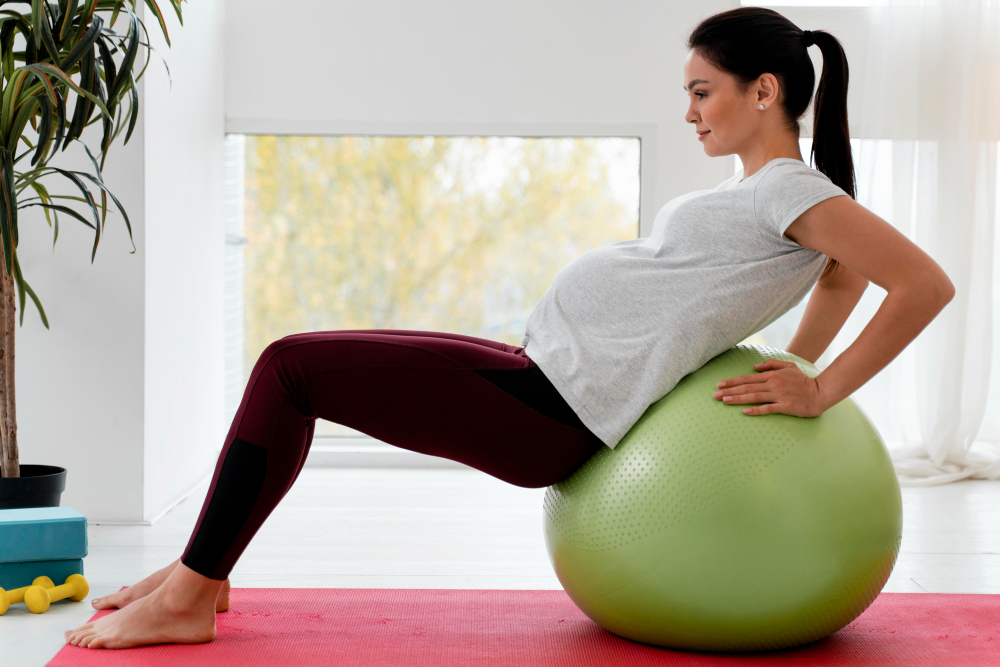
During pregnancy, your body goes through many changes. Strengthening your pelvic floor during pregnancy is important for comfort and health. Many women look for pelvic floor exercises for pregnancy, safe physiotherapy during pregnancy, and pregnancy pelvic muscle strengthening. In this guide, you will learn why pelvic floor health matters, how to exercise safely, and when to seek help.
What Is the Pelvic Floor and Why Is It Important During Pregnancy?
The pelvic floor is a group of muscles at the bottom of your pelvis. These muscles support your bladder, uterus, and bowel. During pregnancy, your baby grows and puts more pressure on these muscles. As a result, your pelvic floor needs to be strong to support this extra weight.
For example, a healthy pelvic floor helps you control your bladder. It also supports your back and hips. Because of these reasons, keeping these muscles strong is important for every pregnant woman.
Common Issues Related to Weak Pelvic Floor Muscles in Pregnancy
Sometimes, weak pelvic floor muscles can cause problems during pregnancy. You may notice some of these issues:
However, you can often prevent or reduce these problems with regular pelvic floor exercises.
Benefits of Strengthening Your Pelvic Floor During Pregnancy
Strengthening your pelvic floor during pregnancy has many benefits. For instance, it can help you:
According to the World Health Organization (WHO), regular pelvic floor exercises can improve your quality of life during and after pregnancy.
Safe and Effective Pelvic Floor Exercises for Pregnant Women
It is safe to do pelvic floor exercises during pregnancy. Still, you should follow proper steps. Here are some easy and safe exercises:
Always breathe normally and do not hold your breath. If you feel pain, stop and talk to your doctor.
Tips for Incorporating Pelvic Floor Exercises Into Your Daily Routine
It can be easy to forget your exercises. Yet, with a few tips, you can make them a habit:
With these steps, you can keep your pelvic floor strong every day.
When to Seek Professional Physiotherapy Support
Sometimes, you may need extra help. You should see a physiotherapist if you:
In addition, look for a physiotherapist who specializes in prenatal care. If you live in a city, many clinics offer pregnancy exercise safety and pelvic health during pregnancy support. Always check that your provider is qualified.
Frequently Asked Questions About Pelvic Floor Strengthening in Pregnancy
For more information, you can visit trusted sources like the Centers for Disease Control and Prevention (CDC) or the World Health Organization (WHO).
Conclusion
In summary, strengthening your pelvic floor during pregnancy is safe and helpful. With regular exercises and the right support, you can enjoy a healthier pregnancy. Consult a qualified physiotherapist at Nexen Health Care for personalized pelvic floor exercise guidance during pregnancy.