
Introduction to TKR and the Importance of Rehabilitation
Total knee replacement (TKR) is a common surgery for people with severe knee pain. Many people choose this surgery to improve their quality of life. However, rehabilitation after total knee replacement (TKR) is just as important as the surgery itself. In fact, mobility training helps you regain strength, flexibility, and safe walking after knee replacement. According to the World Health Organization (WHO), early movement after surgery can speed up recovery and lower the risk of complications.
What Is Mobility Training After TKR?
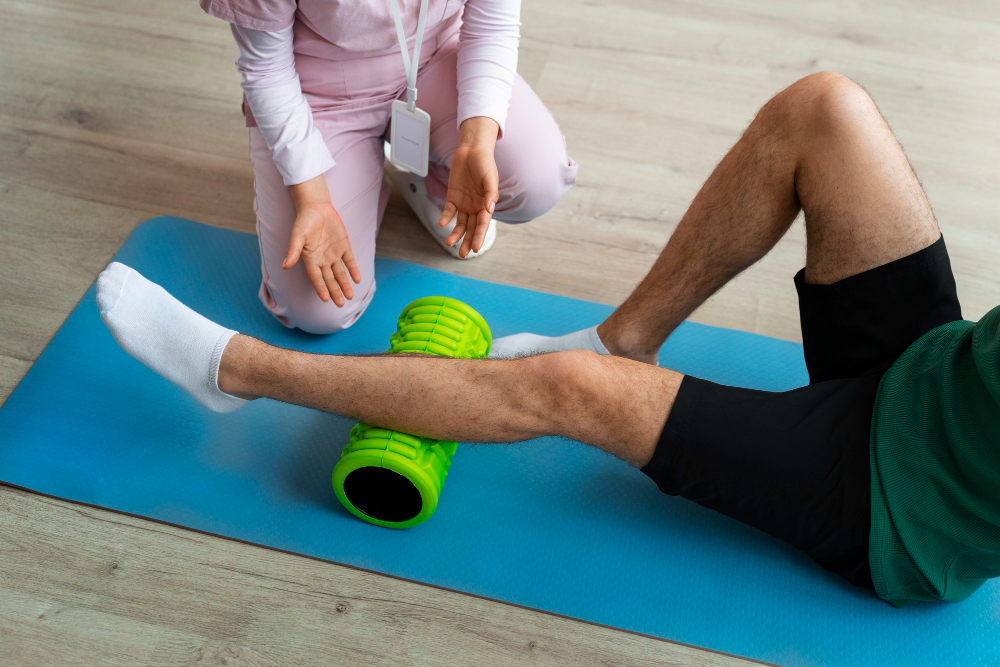
Mobility training after TKR means learning to move your new knee safely. It includes special exercises and activities that help you walk, climb stairs, and return to daily life. For example, post-TKR physiotherapy often starts soon after surgery. This training helps you build confidence and avoid stiffness in your knee. Mobility after knee surgery is key for a smooth recovery.
Key Goals of Mobility Training
Mobility training has several important goals. First, it aims to restore movement in your knee. Second, it helps you build muscle strength. Third, it teaches you safe ways to walk and move. Finally, it lowers the risk of falls or injuries. With these goals in mind, you can enjoy better knee function and a faster recovery.
Step-by-Step Mobility Exercises
After TKR, your physiotherapist will guide you through knee replacement recovery exercises. These exercises are simple but effective. Always follow your therapist’s advice and start slowly.
Tips for Safe and Effective Mobility Training at Home
For best results, follow these tips during your home exercises:
Expected Recovery Timeline
Recovery after TKR varies for each person. However, most people follow a general timeline:
Even so, some people may recover faster or slower. Always check with your healthcare team for advice.
Common Challenges and How to Overcome Them
Many people face challenges during knee replacement recovery. For example, you may feel pain, swelling, or stiffness. Sometimes, you might feel afraid to move. However, you can overcome these issues with the right steps:
When to Consult Your Physiotherapist
It is important to stay in touch with your physiotherapist during recovery. Contact your therapist if you notice:
Early help can prevent bigger problems later.
Prevention of Complications
Preventing complications is a key part of post-TKR physiotherapy. To lower your risk:
With these steps, you can enjoy a safer and smoother recovery.
Consult a physiotherapist for personalized rehabilitation guidance after total knee replacement at Nexen Health Care.