
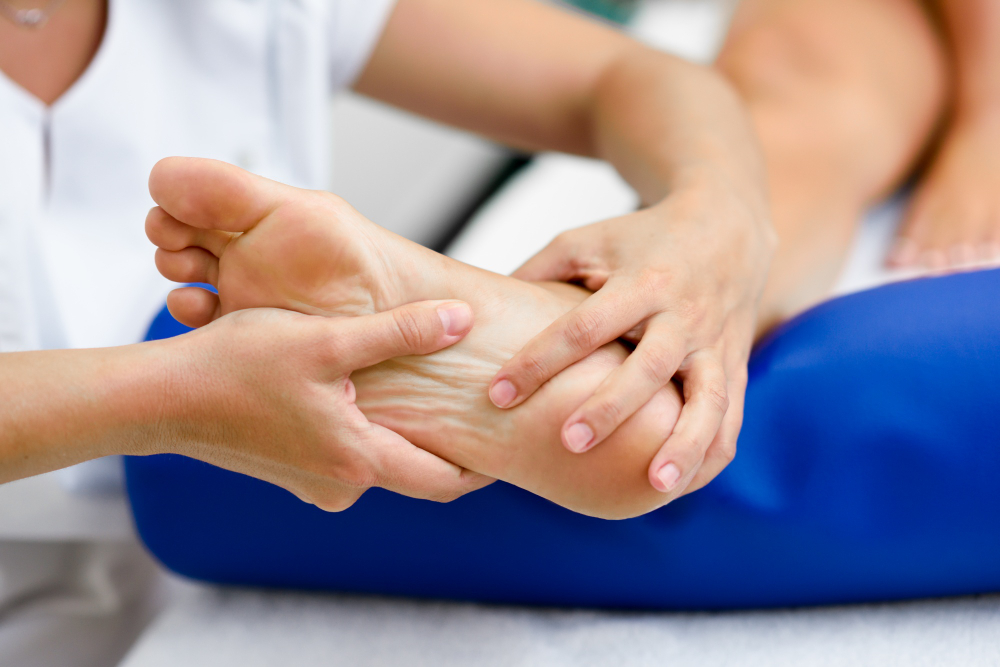
What is Plantar Fasciitis?
Plantar fasciitis is a common cause of heel pain. It happens when the thick band of tissue on the bottom of your foot, called the plantar fascia, becomes inflamed. This tissue connects your heel bone to your toes. Because of this, walking or standing can become painful. Many people experience sharp pain, especially in the morning. Plantar fasciitis rehabilitation and heel pain management can help you find relief. In fact, heel pain relief, plantar fasciitis exercises, and physiotherapy for heel pain are key parts of recovery.
Common Symptoms of Plantar Fasciitis
People with plantar fasciitis often notice pain under their heel. Usually, the pain is worse after rest, such as when you wake up. However, it may get better as you move around. Still, standing for long periods or after exercise can make the pain return. Some common symptoms include:
Causes and Risk Factors
Several factors can lead to plantar fasciitis. For example, wearing shoes with poor support can strain your foot. In addition, standing or walking for long hours increases your risk. Other causes and risk factors include:
Diagnosis and When to See a Doctor
If you have ongoing heel pain, it is important to see a doctor. Usually, your doctor will ask about your symptoms and check your foot. Sometimes, they may order an X-ray or ultrasound to rule out other problems. Early diagnosis helps you start plantar fasciitis rehabilitation sooner. If your pain lasts more than a few weeks or gets worse, seek medical advice. Also, if you notice swelling, numbness, or trouble walking, see a doctor right away.
Effective Rehabilitation Strategies
There are many ways to manage heel pain and speed up recovery. For example, resting your foot and using ice packs can reduce swelling. In addition, wearing supportive shoes helps take pressure off your heel. Some effective rehabilitation strategies include:
Physiotherapy Exercises for Heel Pain
Physiotherapy for heel pain can speed up healing. Simple exercises can stretch and strengthen your foot muscles. Always start slowly and stop if you feel pain. Here are some helpful plantar fasciitis exercises:
Lifestyle Tips and Prevention
Making small changes can help prevent plantar fasciitis from coming back. For instance, always wear shoes with good arch support. In addition, try to keep a healthy weight. Here are some tips for heel pain management and prevention:
When to Seek Specialist Care
Most people feel better with home care and exercises. However, if your heel pain does not improve after several weeks, you may need to see a specialist. Sometimes, doctors suggest physical therapy, custom shoe inserts, or other treatments. Rarely, surgery is needed. If you have severe pain, swelling, or trouble walking, seek help from a foot specialist or physiotherapist.
For the best results, consult a physiotherapist at Nexen Health Care for personalized plantar fasciitis rehabilitation and heel pain management.