
What is Parkinson’s Disease?
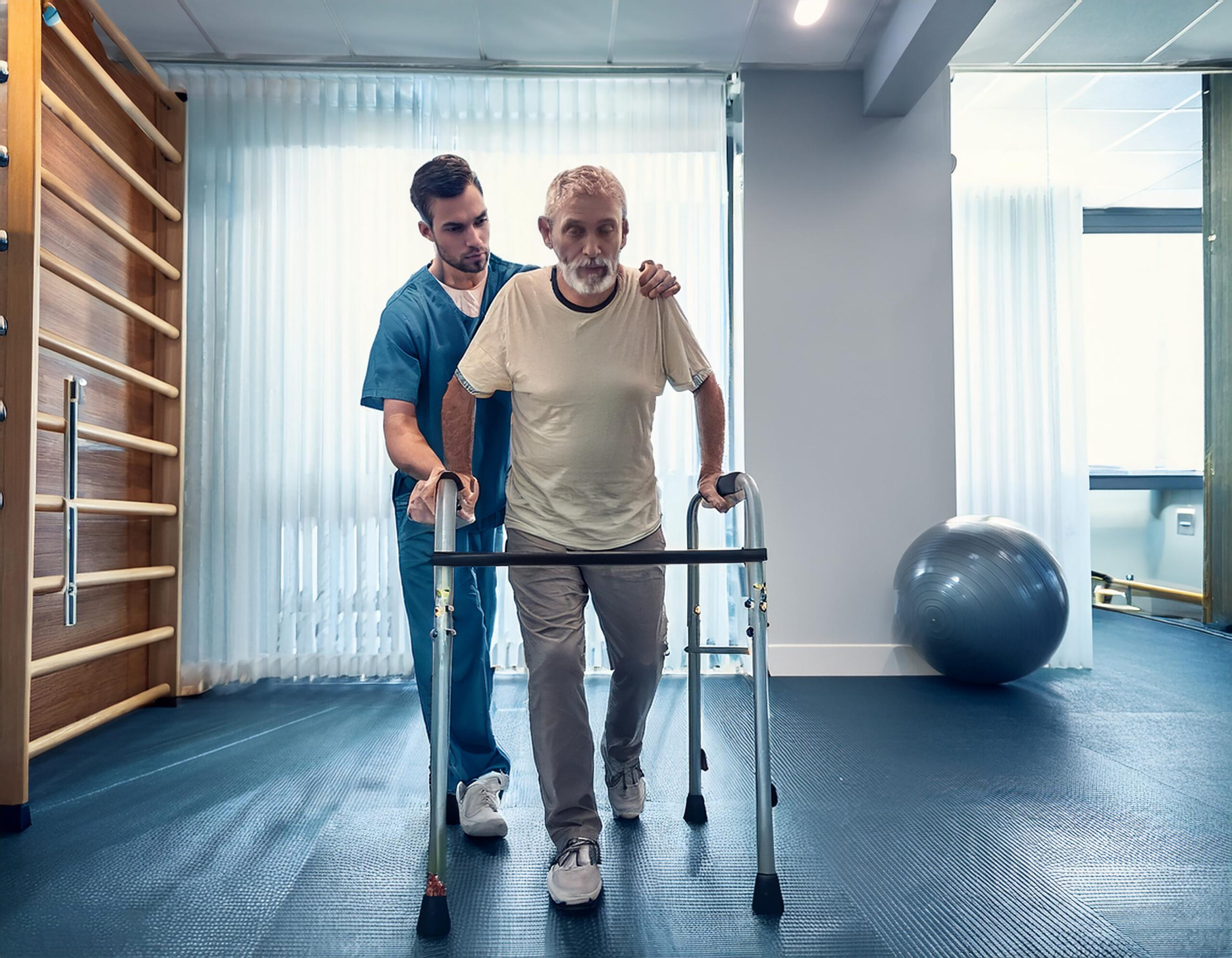
Parkinson’s disease is a condition that affects the brain. It causes problems with movement, balance, and walking. Many people notice shaking, slow movements, or stiffness. Over time, these symptoms can make daily tasks harder. However, with the right support, people can manage these changes. Parkinson’s rehab, including physiotherapy exercises, helps improve balance, gait, and overall function. According to the World Health Organization (WHO), Parkinson’s is one of the most common movement disorders worldwide.
Why is Rehabilitation Important in Parkinson’s?
Rehabilitation plays a key role in Parkinson’s care. It helps people stay active and independent. For example, regular exercises can make muscles stronger and joints more flexible. In addition, rehab can reduce the risk of falls and injuries. Many experts recommend starting Parkinson’s physiotherapy exercises early. This way, you can slow down movement problems and keep doing daily activities. Moreover, rehab programs are tailored to each person’s needs. They focus on improving balance, walking, and functional recovery.
Key Exercises for Balance
Improving balance in Parkinson’s is important for safety. Simple exercises can help you feel steadier on your feet. Before starting, always check with your doctor or physiotherapist. Here are some easy balance exercises:
Additionally, practicing these exercises daily can help improve your balance over time. Always stop if you feel dizzy or unsteady.
Gait Training Techniques
Gait training for Parkinson’s focuses on making walking safer and smoother. Many people with Parkinson’s notice shuffling steps or freezing. However, special exercises can help improve walking patterns. Here are some helpful gait training techniques:
Furthermore, walking in different directions or around obstacles can make your training more effective. Always use support if you need it.
Functional Recovery Strategies
Functional recovery means getting back to daily activities. For example, dressing, bathing, and cooking can become easier with practice. Rehabilitation programs often include:
Moreover, breaking tasks into smaller steps can make them less tiring. Taking short breaks also helps prevent fatigue.
Safety Tips for Home Exercises
Staying safe during home exercises is very important. Here are some tips to reduce the risk of falls or injuries:
Additionally, let someone know when you are exercising, especially if you live alone. This way, help is nearby if you need it.
When to Consult a Physiotherapist
Although home exercises are helpful, professional guidance is important. You should consult a physiotherapist if you:
In addition, a physiotherapist can teach you the best techniques for your needs. They can also adjust your program as your condition changes. If you search for “Parkinson’s rehab near me,” you may find local experts who can help.
In summary, Parkinson’s rehab — including balance exercises, gait training, and functional recovery strategies — can significantly improve mobility, confidence, and overall quality of life. Early and consistent rehabilitation often helps individuals maintain greater independence in daily activities.
For the best results, consult the rehabilitation specialists at Nexen Health Care for a personalized Parkinson’s rehab program tailored to your specific symptoms, mobility goals, and long-term wellness needs.