
What is Parkinson’s Disease?
Parkinson’s Disease is a brain disorder. It mainly affects movement. People with Parkinson’s may shake, feel stiff, or move slowly. Over time, walking and balance can become harder. According to the World Health Organization, millions of people worldwide live with this condition. Although there is no cure, many treatments can help manage symptoms.
Why Rehabilitation Matters
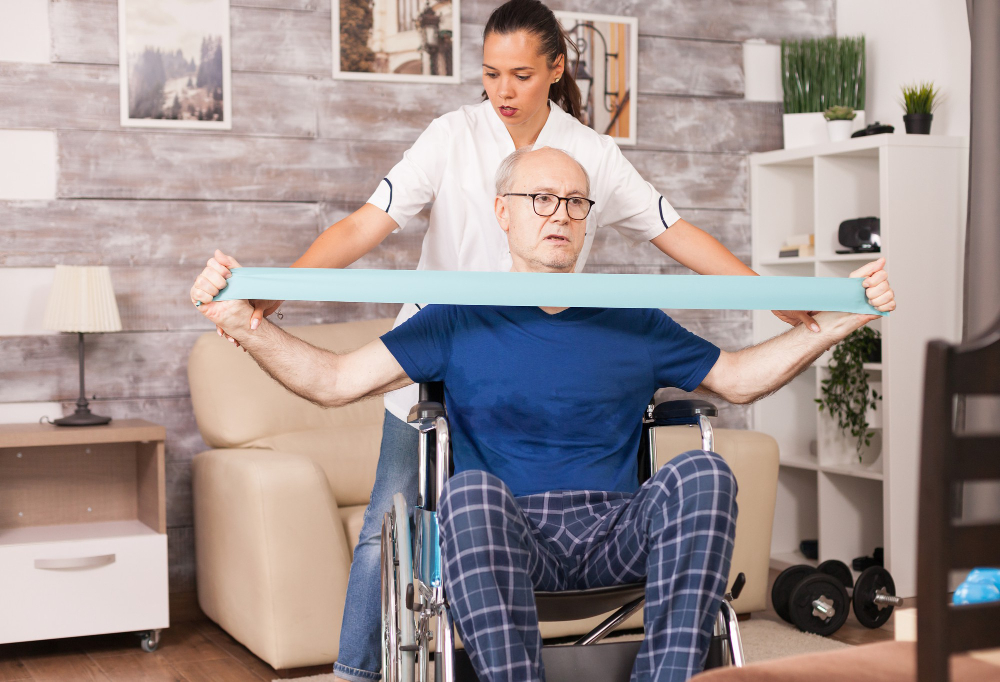
Rehabilitation is important for people with Parkinson’s Disease. It helps improve daily life. For example, Parkinson’s rehabilitation exercises can make walking easier. They also help with balance and movement. Because symptoms can change over time, regular rehab keeps people active and safe. In fact, studies show that exercise can slow down some symptoms.
Balance Training Techniques
Improving balance in Parkinson’s is key to preventing falls. Many exercises can help. For instance, simple balance training can be done at home. However, always check with a doctor before starting new exercises.
Because balance can change daily, try to practice these exercises often. Over time, you may notice better stability.
Gait Improvement Strategies
Gait training for Parkinson’s patients focuses on walking better. Many people with Parkinson’s shuffle or take small steps. But with practice, walking can improve. Here are some helpful strategies:
Because walking can be tiring, take breaks when needed. Over time, these tips may help you walk more safely.
Movement Coordination Exercises
Movement coordination is about making your arms and legs work together. For people with Parkinson’s, this can be hard. However, regular practice can help. Try these simple exercises:
Because coordination can change, keep practicing. Over time, you may notice smoother movements.
Lifestyle Tips for Daily Living
Living with Parkinson’s Disease can be challenging. However, small changes can make daily life easier. Consider these tips:
Because everyone’s needs are different, adjust these tips to fit your routine.
Prevention of Falls and Injuries
Falls are a common risk for people with Parkinson’s. But you can take steps to stay safe. For example, always use support when standing up. In addition, keep floors dry and well-lit. Here are more ways to prevent injuries:
Because safety is important, review your home often for hazards.
When to Seek Professional Help
Sometimes, home exercises are not enough. If you notice more trouble walking or balancing, talk to your doctor. In addition, sudden changes in movement or frequent falls are signs to get help. A physiotherapist or rehabilitation specialist can create a plan just for you. They can teach safe exercises and offer support.
In summary, Parkinson’s Disease rehabilitation can improve balance, gait, and movement coordination. However, everyone is different. Consult a physiotherapist or rehabilitation specialist at Nexen Health Care for personalized Parkinson’s Disease rehabilitation guidance.