
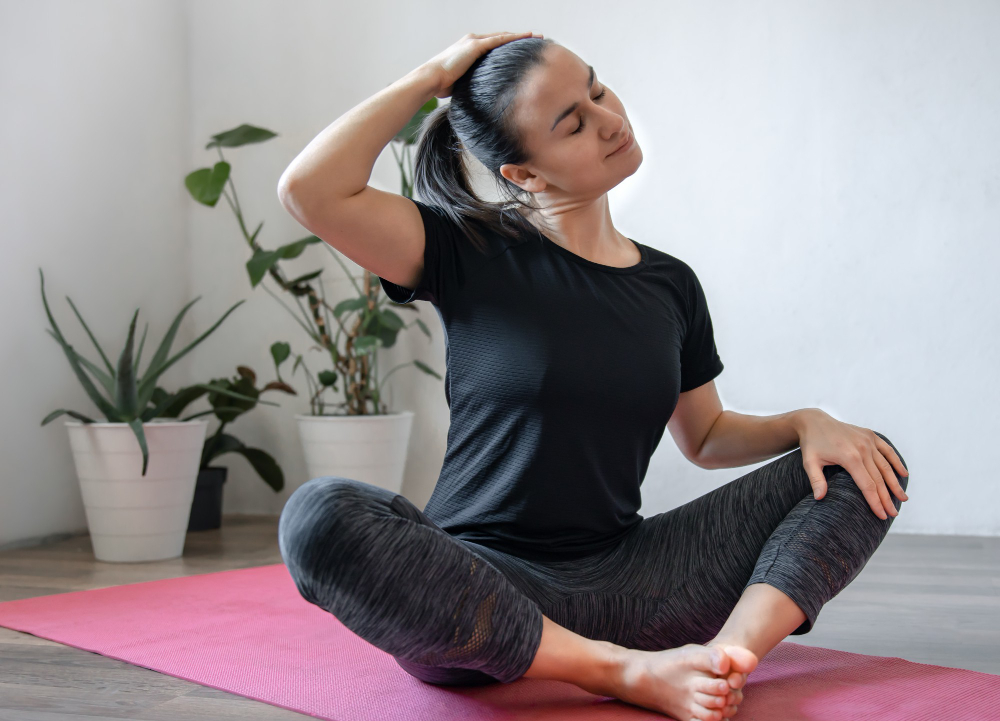
What Are Neck Stretching Exercises?
Neck stretching exercises are gentle movements that help loosen tight muscles in your neck. These exercises can improve flexibility and reduce pain. Many people use neck stretching exercises to ease stiffness from daily activities. For example, looking at screens or sitting for long hours can cause neck discomfort. Because of this, safe neck stretches at home are becoming more popular.
Benefits of Neck Stretching Exercises
Neck stretching exercises offer many benefits. First, they help relieve neck pain and stiffness. Also, they can improve your posture. In addition, regular stretching may prevent future injuries. Here are some key benefits:
According to the CDC, regular stretching can support overall muscle health and comfort.
Common Causes of Neck Stiffness
Many people experience neck stiffness at some point. Often, this happens because of poor posture. For example, sitting hunched over a desk or phone can strain neck muscles. Other common causes include:
Because these causes are common, knowing how to stretch your neck safely is important.
Step-by-Step Neck Stretching Techniques
Before you begin, always sit or stand up straight. If you feel pain, stop the exercise. Here are some simple neck pain relief exercises you can try at home:
Always breathe deeply and move slowly during each stretch.
Safety Tips and Precautions
Although neck stretching exercises are safe for most people, you should follow these tips:
Additionally, avoid neck stretches if you have a recent injury or severe pain. The World Health Organization suggests consulting a healthcare provider before starting new exercises, especially if you have health concerns.
When to Consult a Physiotherapist
Sometimes, neck pain does not improve with home exercises. In these cases, you should see a physiotherapist. For example, seek help if you have:
A physiotherapist can create a safe, personalized plan for you. They can also teach you how to stretch your neck safely and prevent future problems.
In summary, neck stretching exercises can help you feel better and move more easily. However, always use safe techniques and listen to your body. Consult a physiotherapist at Nexen Health Care for personalized neck stretching guidance.