Are you struggling with stubborn muscle knots or deep-seated tension? Dry needling for myofascial pain is a modern therapy that targets these issues directly. This technique uses thin needles to reach tight spots in your muscles. As a result, it can help relieve pain and improve movement. Many people find relief from chronic muscle tension with this approach. In this blog, you will learn how dry needling works, its benefits, and what to expect during a session.
What Is Myofascial Pain?
Myofascial pain is a common cause of muscle aches and stiffness. It happens when tight bands, called trigger points, form in your muscles. These spots can feel sore or tender. Sometimes, they even cause pain in other areas. For example, a knot in your neck might lead to headaches. Myofascial pain can last for weeks or even months. Because of this, it often affects your daily life. According to the World Health Organization, muscle pain is a leading reason people seek care.
Understanding Dry Needling
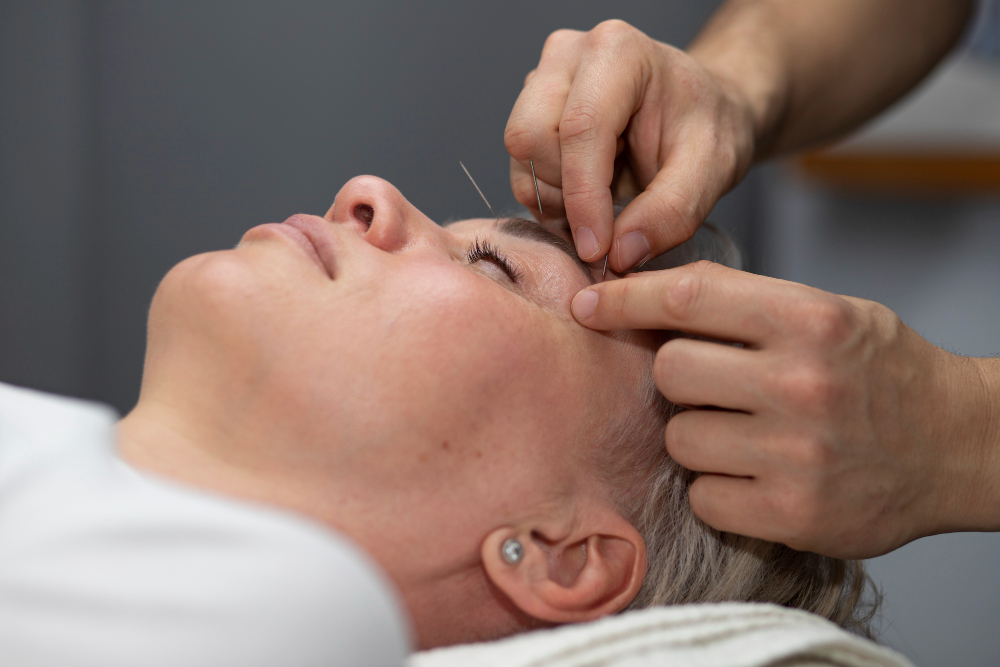
Dry needling is a treatment used by trained physiotherapists. They insert very thin needles into trigger points in your muscles. Unlike acupuncture, dry needling focuses on muscle knots and tension, not energy flow. The goal is to relax tight muscles and reduce pain. Many experts consider it a form of myofascial trigger point therapy. In recent years, dry needling for muscle knots has become more popular in pain clinics and physiotherapy centers.
How Dry Needling Targets Muscle Knots and Tension
First, your physiotherapist will find the tight spots in your muscles. Then, they gently insert a needle into the knot. This action can cause the muscle to twitch or relax. As a result, blood flow improves, and pain often decreases. Sometimes, you may feel a brief ache or twitch during the process. However, most people report less pain soon after. Because dry needling works on deep muscle layers, it can reach tension that massage or stretching may miss.
Benefits of Dry Needling for Chronic Pain
Dry needling offers several benefits for those with chronic muscle tension. For example, it can:
Many people find that regular sessions help them stay active and comfortable. In addition, studies in medical journals show that dry needling can be effective for many types of muscle pain.
What to Expect During a Dry Needling Session
Before your session, your physiotherapist will ask about your pain and health history. Next, they will locate the trigger points in your muscles. Then, they will insert thin, sterile needles into these spots. You may feel a quick pinch or a mild ache. Sometimes, your muscle may twitch. Most sessions last 15 to 30 minutes. Afterward, you might feel sore for a day or two. However, this usually fades quickly. Many clinics offer dry needling in cities across the country, making it easy to find a provider near you.
Safety, Risks, and Who Should Avoid Dry Needling
Dry needling is safe when performed by a trained professional. Still, there are some risks to consider. For instance, you may experience:
However, these side effects are uncommon. You should avoid dry needling if you:
Always talk to your doctor or physiotherapist before starting any new therapy. The CDC and other health agencies recommend choosing a licensed provider for safety.
Tips for Managing Myofascial Pain at Home
While dry needling can help, you can also manage myofascial pain at home. For example, you can:
In addition, drinking enough water and getting enough sleep can support your recovery. If pain continues, seek advice from a healthcare professional.
Frequently Asked Questions
In summary, dry needling for myofascial pain is a safe and effective way to target chronic muscle knots and tension. Consult a qualified physiotherapist at Nexen Healthcare to discuss if dry needling is right for your myofascial pain.