
What is Winter Joint Pain?
Many people notice their joints hurt more during cold months. This is called winter joint pain. It often affects knees, hips, hands, and shoulders. For some, the pain is mild. For others, it can limit daily activities. Because winter joint pain is common, it is important to know how to manage it.
Common Symptoms of Winter Joint Pain
Winter joint pain can show up in different ways. However, most people notice these symptoms:
Sometimes, these symptoms get worse when the temperature drops. But with the right care, you can feel better.
Causes: Why Joints Hurt More in Winter
Many people wonder why their joints ache more in winter. There are a few reasons for this:
Even though these factors play a role, everyone’s body reacts differently. Still, knowing the causes can help you find relief.
How Physiotherapy Helps with Winter Joint Pain
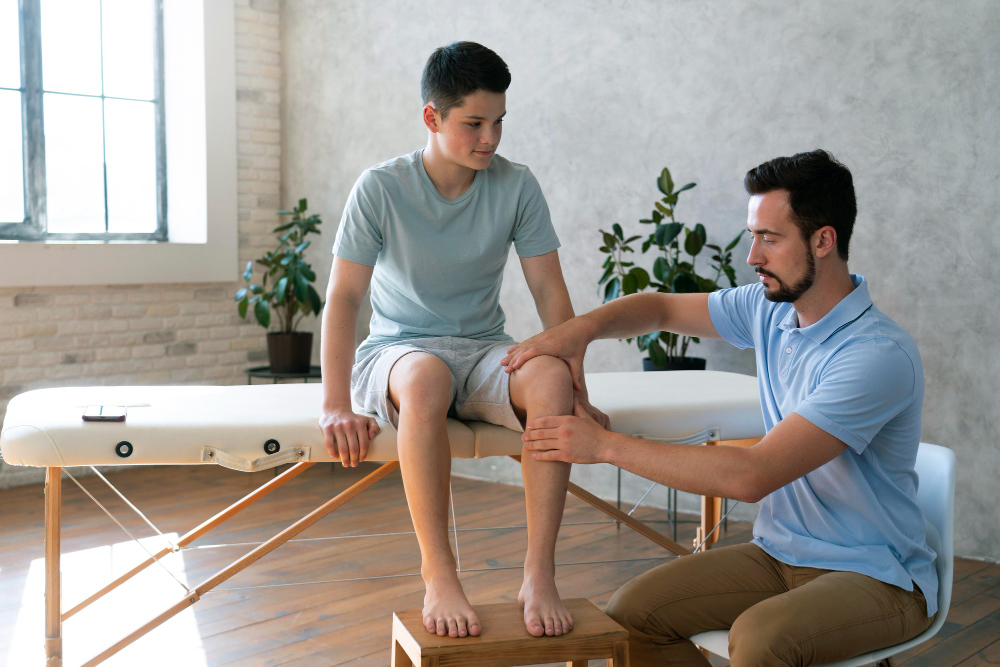
Physiotherapy for winter joint pain is a proven way to feel better. Physiotherapists are trained to help reduce pain and improve movement. They use safe exercises and gentle treatments. As a result, you can stay active even in cold weather. In fact, studies show that regular physiotherapy can lower joint pain and stiffness.
Effective Physiotherapy Techniques and Exercises
Physiotherapists use many methods to help with joint pain relief in cold weather. Some common techniques include:
For example, a physiotherapist may teach you simple home exercises. These can help prevent winter joint stiffness. Always follow your therapist’s advice for best results.
Lifestyle Tips for Managing Joint Pain in Winter
Besides physiotherapy, there are easy ways to manage joint pain at home. Try these tips:
Additionally, drink plenty of water and avoid sitting for long periods. These steps can make a big difference, especially in colder climates.
Prevention: How to Reduce Winter Joint Pain
Preventing winter joint pain is possible with a few simple habits. Here are some ways to lower your risk:
Because prevention is easier than treatment, start these habits before winter begins.
When to See a Physiotherapist
Sometimes, home care is not enough. You should see a physiotherapist if:
Early treatment can prevent joint problems from getting worse. Therefore, do not wait too long to get help.
In summary, winter joint pain can be managed with the right care. Physiotherapy for winter joint pain offers safe and effective relief.
If you struggle with joint pain in cold weather, consult a physiotherapist at Nexen Health Care for personalised advice on managing winter joint pain and improving mobility.