
What Is Cardiac Rehabilitation?
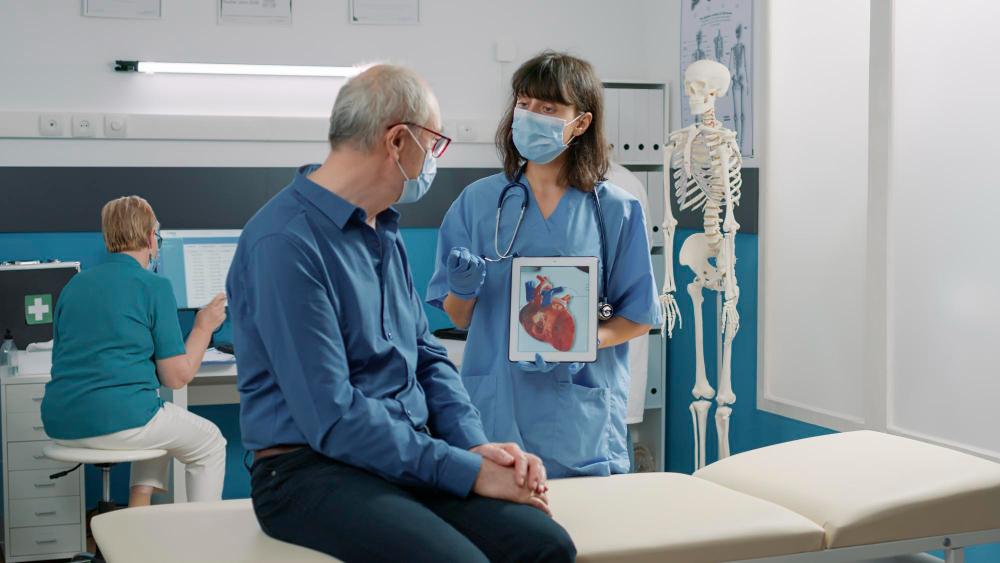
Cardiac rehabilitation is a special program for people with heart problems. It helps you recover after a heart attack, heart surgery, or other heart conditions. The main goal is to improve your heart health and help you live better. Many hospitals and clinics offer cardiac rehab programs. These programs use heart recovery exercises, education, and support to help you get stronger.
Common Symptoms and Conditions Requiring Cardiac Rehab
Many people join cardiac rehabilitation after having certain heart problems. You may need cardiac rehab if you have:
Sometimes, your doctor may suggest cardiac rehab if you have other heart conditions. Early signs like swelling in your legs or feeling dizzy can also mean you need help.
Causes and Risk Factors for Heart Conditions
Heart problems can happen for many reasons. Some common causes and risk factors include:
However, you can lower your risk by making healthy choices. For example, eating well and staying active help protect your heart.
The Cardiac Rehabilitation Process
Cardiac rehabilitation has several steps. Each step helps you recover and stay healthy. Here is what you can expect:
1. Assessment
First, the rehab team checks your health. They look at your medical history, current health, and fitness level. This helps them create a plan just for you.
2. Exercise
Next, you start heart recovery exercises. These are safe and gentle at first. Over time, they become a bit harder as you get stronger. The team watches you closely to keep you safe.
3. Education
During rehab, you learn about your heart and how to care for it. You get tips on healthy eating, taking medicine, and managing stress. This knowledge helps you make better choices every day.
4. Counseling
Sometimes, heart problems can make you feel sad or worried. Counseling gives you support and helps you cope. You can talk about your feelings and learn ways to handle stress.
Benefits of Cardiac Rehabilitation
Cardiac rehabilitation offers many benefits. According to the CDC and WHO, people who join a cardiac rehab program often:
Most importantly, cardiac rehabilitation can help you live longer and healthier.
How to Get Started: Referral, Program Types, and What to Expect
Usually, your doctor will refer you to a cardiac rehab program. You can ask about programs at your local hospital or clinic. There are different types of programs, such as:
At your first visit, the team will explain what to expect. They will answer your questions and help you set goals. Each session may include exercise, education, and support. Over time, you will notice improvements in your health and confidence.
Lifestyle Tips and Prevention Strategies
After cardiac rehabilitation, it is important to keep your heart healthy. Here are some simple tips:
By following these steps, you can lower your risk of future heart problems.
Frequently Asked Questions (FAQs)
Conclusion
Cardiac rehabilitation is a proven way to recover from heart problems and prevent future issues. It offers support, education, and safe heart recovery exercises. If you or a loved one needs help, consult a cardiac rehabilitation specialist at Nexen Health Care for personalized advice.