
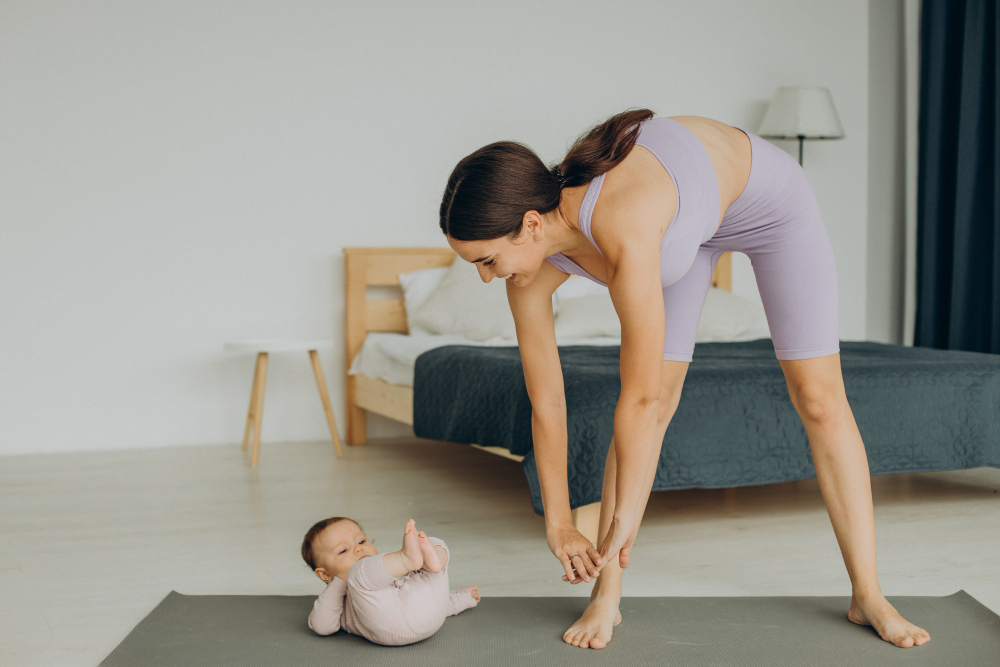
Introduction to Postpartum Recovery and Its Importance
After childbirth, a healthy postpartum recovery is vital for every new mother. The body goes through many changes during pregnancy and delivery. Therefore, taking care of your body after birth helps you heal and regain strength. Physical medicine and rehabilitation play a key role in this process. With the right support, you can recover safely and return to daily activities sooner.
Common Postpartum Physical Challenges
Many women face physical challenges after giving birth. Some of the most common issues include:
However, these problems are often temporary. With proper care, most women recover well. If symptoms last or worsen, it is important to seek help.
Evidence-Based Physiotherapy and Rehabilitation Approaches
Physiotherapy and rehabilitation after childbirth can speed up healing. According to the World Health Organization, gentle movement and guided exercises help restore strength. Some proven approaches include:
Moreover, a physiotherapist can create a plan tailored to your needs. This ensures you recover safely and avoid injury.
Safe Exercises and Activity Guidelines
After childbirth, it is important to start slow. Always check with your doctor before beginning any new activity. Here are some safe postpartum physiotherapy exercises and activity tips:
But if you feel pain or discomfort, stop and rest. Listen to your body at all times.
Tips for Pain Management and Improving Mobility
Many women experience pain or stiffness after delivery. However, there are simple ways to manage pain and improve movement:
In addition, gentle massage may help relax muscles. If pain continues, consult a healthcare provider.
Lifestyle and Self-Care Recommendations
Self-care is a key part of healthy postpartum recovery. Here are some simple tips:
Furthermore, gentle movement and fresh air can boost your mood. Remember, caring for yourself helps you care for your baby better.
Prevention of Complications and When to Seek Professional Help
Most women recover well after childbirth. Still, it is important to watch for warning signs. Seek medical help if you notice:
Additionally, if you feel sad or anxious for more than two weeks, talk to your doctor. Early support can prevent serious problems.
Conclusion
In summary, a healthy postpartum recovery is possible with the right care. Evidence-based physiotherapy, safe exercises, and self-care make a big difference. However, always listen to your body and seek help if needed. Consult a qualified physiotherapist at Nexen Health Care for personalized postpartum recovery guidance.